Mechanical
Confirm the transfer positions, drops, chutes, available space and access in the proposed layout. Assess representative snacks at each transfer for damage, retention or loss, and agree which party supplies each connection.
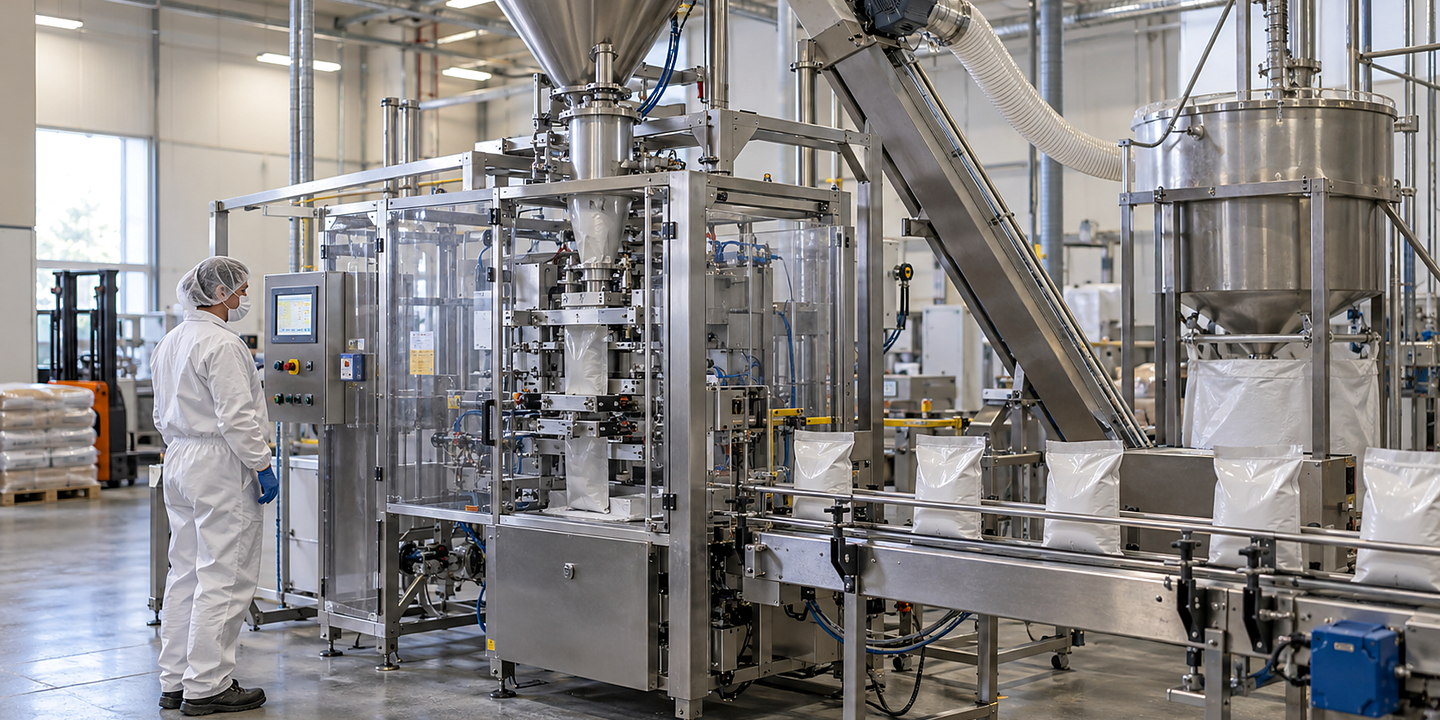
Plan mechanical, electrical, control, data, safety and operator interfaces for snack packing machines.
Define snack-line integration by the actual transfers between feeding, weighing, discharge and bagging, together with the connected stages included in the scope. Agree what each stage needs before it can receive or release product and who checks each interface.
Include upstream shortages, downstream stops, interrupted doses and restart checks in the line trial. The process sequence helps keep those interfaces connected to product condition and the accepted finished bag.
Mark the points where snacks leave the feeder, weighing stage and discharge chute. At each transfer, note the drop and what holds the product if the bagger stops. Use those same points to take comparison samples during the trial.
Discuss your application

Confirm the transfer positions, drops, chutes, available space and access in the proposed layout. Assess representative snacks at each transfer for damage, retention or loss, and agree which party supplies each connection.
For Snack Packing Machines, list the supplies, isolation, protective devices, panels and cable routes required by the proposed installation.
Agree operating modes, stage-ready signals, interruption handling, recipe selection and restart responsibilities for the proposed line. Identify how product already weighed or in transfer will be handled when a connected stage stops.
Review risk controls, stop behaviour, access, reset and the checks needed around required output and production pattern.
Define the required product, recipe and packaging identifiers, weight or quality results and reject records, including who records and retains them. Agree the actual data interface rather than assuming a supplied reporting or factory-system connection.
Plan normal operation, replenishment, clearance, cleaning, maintenance and training for short runs and format changes involving snack weighing and bag forming.
For Snack Packing Machines, your team can review each stage before the complete installation is put into routine use.
Keep incoming snack and bag samples for the normal run and the product most likely to break or segregate. Mark the sample point before and after each significant drop.
Compare the weighed discharge with product from an opened bag at the same target weight. Judge weight and product condition separately.
Follow a real handover from feeder to weighing stage and bagger. Describe what each stage does if the next stage cannot accept a dose.
During an agreed stop or format change, identify the last accepted bag, what happens to product still in the line and how the first bags are checked on restart.
For your application: check target dose, count or pack weight, required output and production pattern, cleaning, access and changeover method, and finished-pack checks and reject handling as part of the complete line trial.