Current condition
Record product identity, batch, sample age and relevant upstream conditions, together with size variation, fines and existing broken pieces. State how the observations were made and any limits in the sample or measurement.
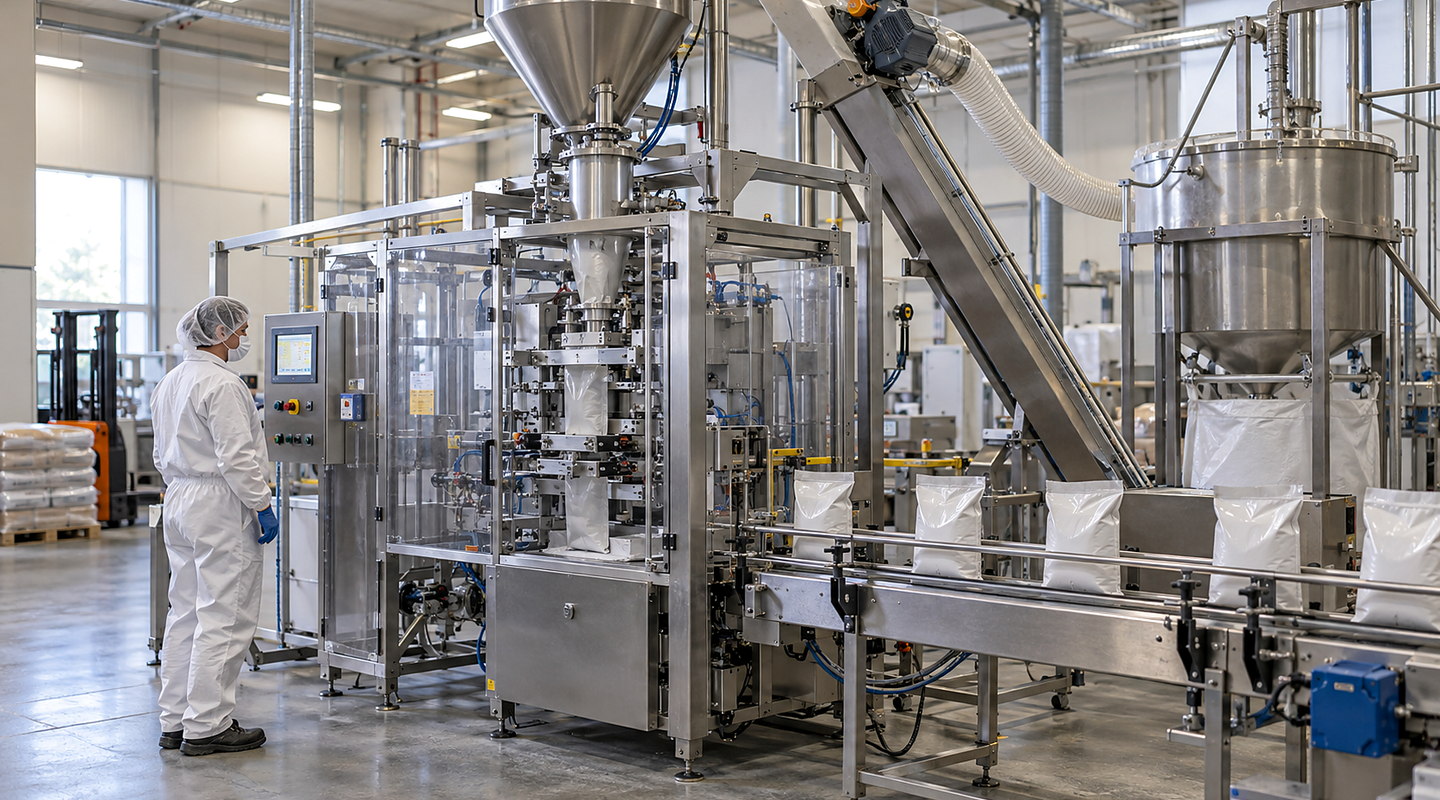
How should snack weighing & bag forming product behaviour be investigated before specifying snack packing machines?
Define snack behaviour using representative size, fragility, fines and, where relevant, oil or seasoning condition. Record the incoming product and compare it with samples after the key transfers, weighing discharge and packing stages so damage or loss can be located.
Agree pack-weight and product-quality checks before the trial; a correct total weight alone does not establish the required mix or acceptable breakage. Use the acceptance guide to record conditions, limits and results.
Keep a sample of the incoming snack to compare with the weighed discharge and the opened bag. Recording the stage where whole pieces turn into fines is more informative than looking only at the last bag.
Discuss your application

Record product identity, batch, sample age and relevant upstream conditions, together with size variation, fines and existing broken pieces. State how the observations were made and any limits in the sample or measurement.
Include normal product variation and the fragile, mixed or fine-rich cases within the proposed duty. Where oil, seasoning or temperature changes affect handling, record those conditions rather than treating one sample as the full production range.
Compare incoming product with the condition after transfers and discharge, then check whether product reaches the bag without unacceptable damage, retention or loss. Record any effect on dose consistency, mix composition or the seal area.
Compare snack samples at intake, after weighing and in the finished bag. Note the stage at which the proportion of fines, broken pieces or mix first changes.
Run the intended bag with a representative product sample. Look for pieces settling into the seal area or for changes in the mix between bags.
Take weight and product-condition observations from the same bags. A correct total can coexist with excessive breakage or an uneven component mix.
Compare normal running with a refill or short interruption. Check whether the first bags after a restart carry a different mix or more fines.
Record oily or seasoned residue at the contact points your team must clear. Leave the applicable cleaning and product-release method to the responsible team.
Keep reference samples of acceptable and unacceptable product condition. Agree who judges the difference and how it is recorded alongside the pack weight.