Compare snack weighing and bagging around product fragility, pack weight and the finished bag. Trial the route from product feed to sealed pack, including fines, seasoning, recipe changes and normal replenishment.
Speak directly with Lancing about snack weighing and bag forming.
Quick answer
Which packaging system suits fragile snacks and our target pack weights?
Provide snacks across the normal size and fragility range, together with pack weights and the bag or film specification. Trial product feeding, weighing and discharge into the pack. Check breakage, dose results and seal-area cleanliness, including replenishment and changeover, before agreeing the complete packing scope.
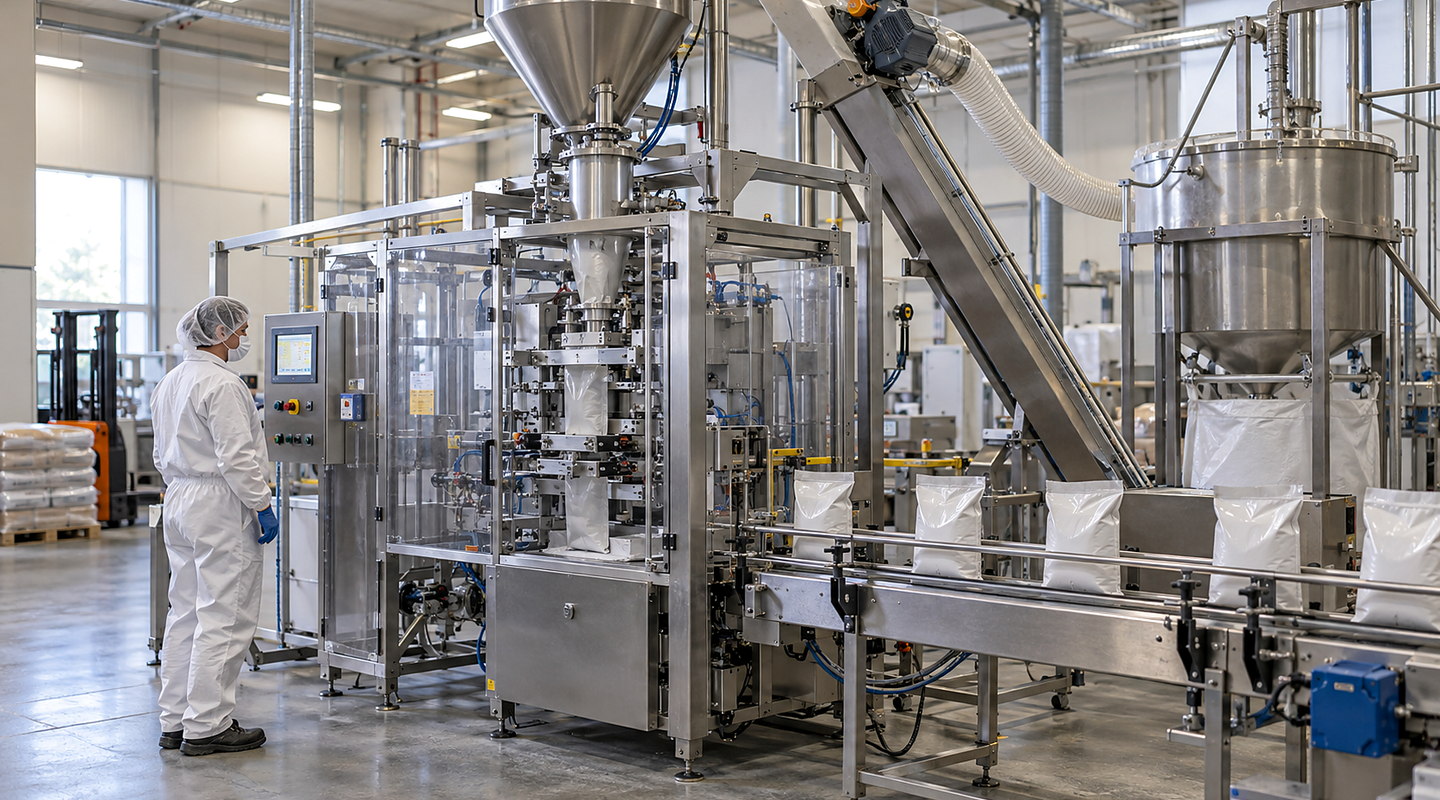
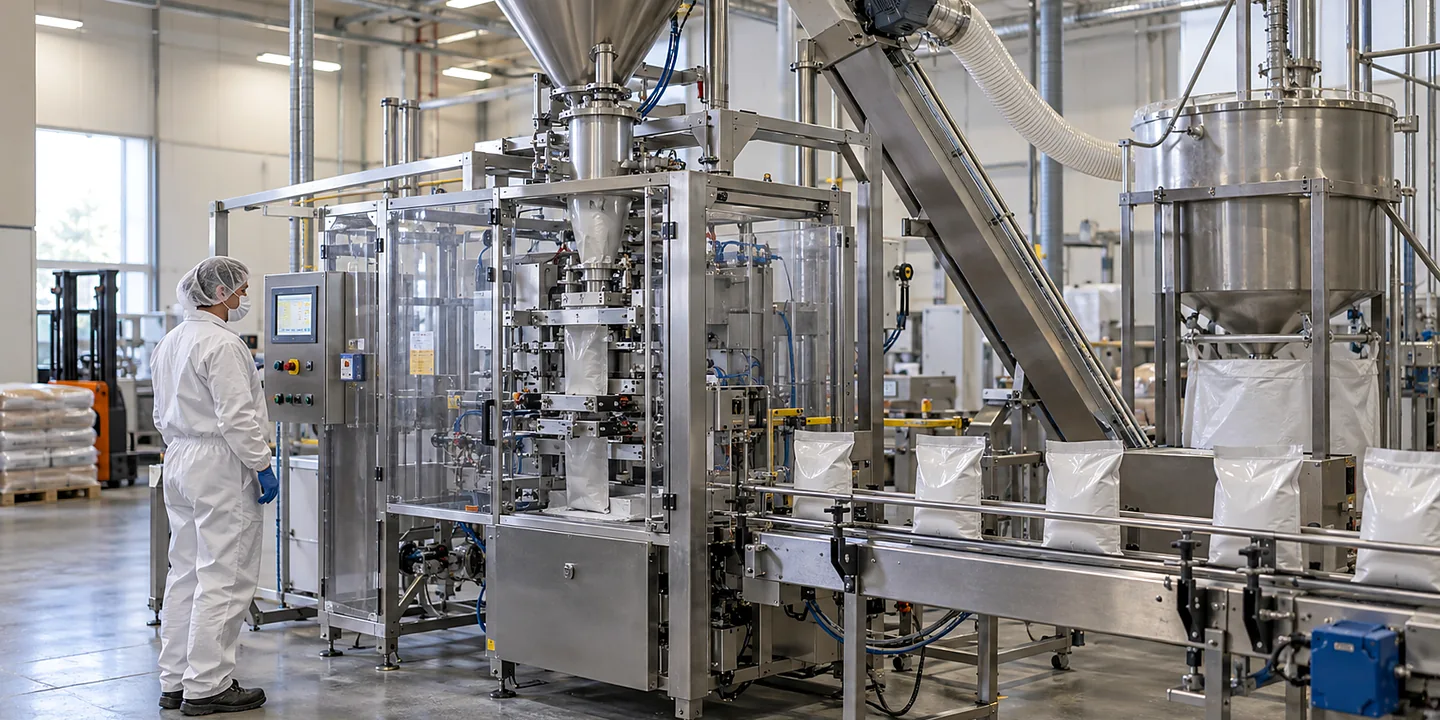
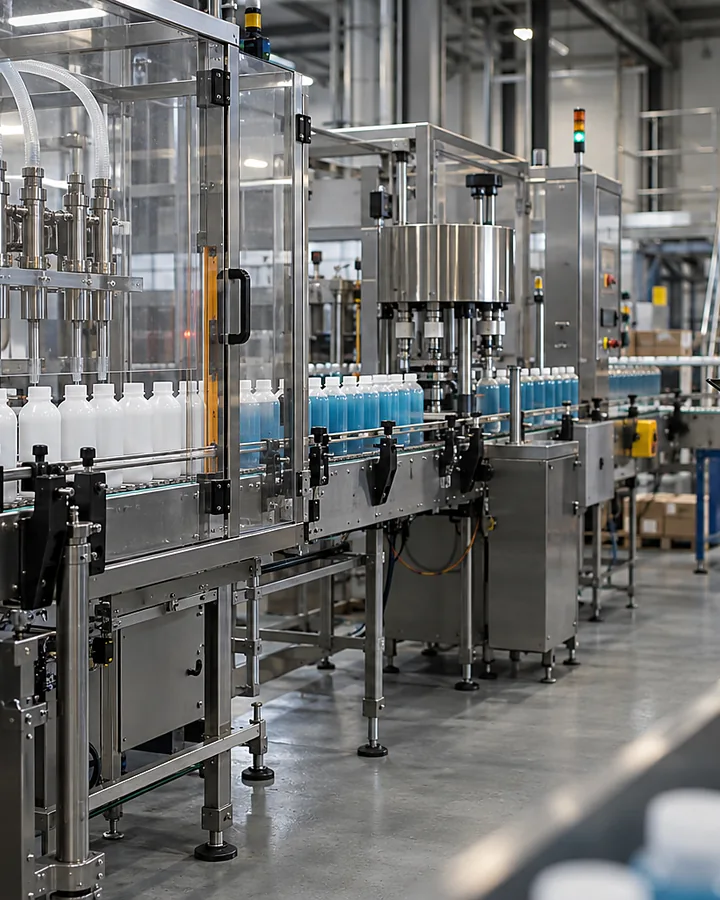
The photographs show pouches on a conveyor and a separate bottle-filling line. A trial with your snack and intended bag can show whether pieces break during the drop into the bag.
Application decisions
Compare snack packing by product condition and the finished bag
The useful output is an accepted snack pack with the required quantity and product condition. Treat feeding, weighing, discharge and sealing as one sequence, particularly where the product is fragile, seasoned or a mixture of different pieces.
Choose representative snacks
Supply normal product, fines and the largest or most fragile pieces. Include surface oil, seasoning and the temperature at packing where relevant. State what level of breakage or segregation is acceptable so a fast feed trial cannot hide a damaged or unrepresentative finished product.
Review every transfer before the bag
Map the route from the production process into the weighing or dosing system. Trial replenishment, chutes and discharge using the intended product. Compare the condition of incoming and packed snacks so damage introduced during handling can be separated from product already arriving broken.
Define the dose and mix requirement
Specify target pack weights and how the finished quantity is checked. For mixed snacks, state whether composition as well as total weight must be controlled. A correct overall weight does not establish that each ingredient is represented in the required proportion.
Choose premade bags or reel-fed forming
Provide the finished pack style, dimensions and film specification. Compare opening and handling of supplied bags with forming from a reel where applicable. The right route depends on the format range, bag features and production pattern as well as nominal packing speed.
Protect the seal area
Trial the timing of product discharge and bag closing with normal fines and seasoning. Check whether pieces remain in the sealing area and define the seal inspection method. If gas flushing or another atmosphere is required, include its verification in the product-specific packing scope.
Allow for flavour and product changes
List contact parts, access and the cleaning boundary between recipes. Include label or code changes and the first acceptable pack after restart. Cleaning and allergen controls require the food business's approval; machine changeover time alone does not define readiness for the next product.
Find where a good snack becomes an unacceptable pack
Compare product at successive points through the line instead of inspecting only the final bag. This helps identify which transfer or operating event needs attention and avoids rejecting a dosing principle for damage created elsewhere.
Before the weighing or dosing unit
Retain a representative incoming sample and record existing breakage and fines. Observe loading and replenishment, including the last product from a supply container. Product already damaged before dosing should not be confused with damage caused by the packing machine.
After the main discharge
Assess the effect of drops, chutes and changes of direction. Compare fragile pieces and normal product at the intended rate. Where a blend is packed, review the distribution of components separately from total quantity.
Inside the unclosed bag
Check whether the weighed dose has fully entered the pack or whether pieces remain in the discharge path. Observe the closing area for bouncing pieces, fines or seasoning. Keep spillage and product retained between cycles visible in the result.
After sealing and normal handling
Assess the agreed seal method, bag presentation and product condition after discharge and subsequent packing. If a modified atmosphere is specified, its product-specific verification is a separate requirement; a gas connection alone does not prove shelf life.
Compare the whole campaign
Record accepted bags, product loss and the cause of rejects during a stable run, replenishment, a pause and a representative flavour change. Identify which checks must be repeated after settings or contact parts change. This provides a usable comparison of gentle handling and output rather than a single fastest cycle.
The selected method must be trialled with representative product and packaging.
Supplier tolerances and product-condition changes can alter handling or fill behaviour.
Equipment selection does not replace product, hygiene, packaging or regulatory validation.
Your final solution for snack weighing and bag forming must reflect the law, current standards and site-specific risks that apply to your installation.