What arrives at the feed?
Keep an incoming sample and note piece sizes, fragile pieces, fines and surface seasoning. Compare this sample with product after transfer and in the bag to locate any added damage.
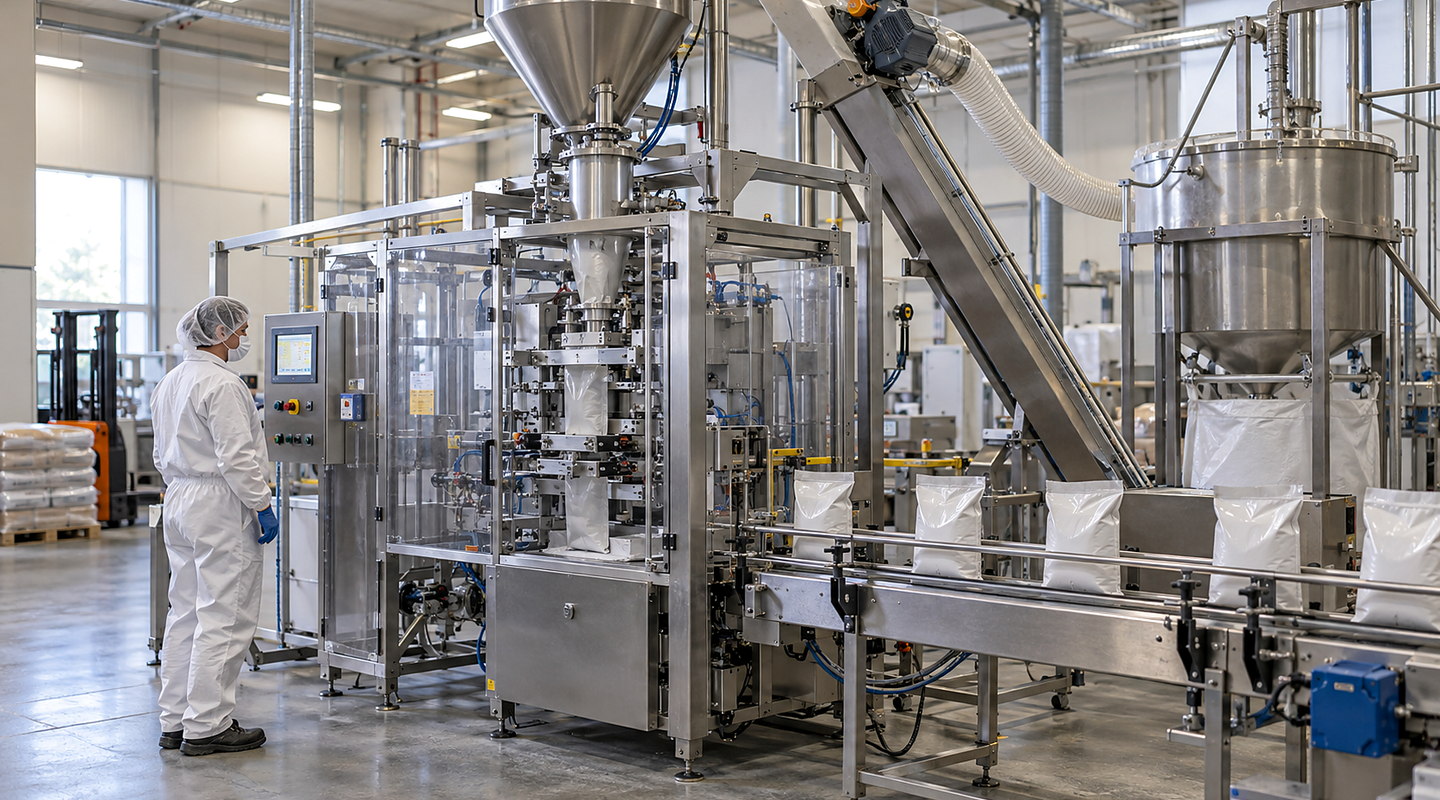
Judge a routine snack run by the bags that meet the agreed weight, product condition and seal checks. Include a refill and a short stop when recording the result.
Plan routine snack packing around the actual snack range, pack weights and bag or film specification. Follow representative product from feeding through weighing, discharge and sealing, recording incoming condition, transfer damage, losses and accepted bags.
Include replenishment, short stops and planned flavour or format changes. The acceptance checklist helps separate observations at each stage from the final pack result.
Keep three trial records. Record the condition of the incoming snack, what reaches the open bag and what leaves as an accepted sealed pack. Note the recipe, bag format and run condition for each observation.
Discuss your application

Keep an incoming sample and note piece sizes, fragile pieces, fines and surface seasoning. Compare this sample with product after transfer and in the bag to locate any added damage.
Provide the smallest and largest bags or reel-film formats in regular production. Include the filled pack dimensions and the space the product occupies around the bag opening.
State the target weights and the agreed way to check filled bags. For a mixed snack, record whether the proportions of pieces matter separately from overall weight.
Count accepted bags, rejects and product loss over a representative run, including a normal refill. Give the run duration and explain how short stops affect the result.
List product-contact parts, access for clearance and any product or flavour change that occurs in a normal shift. Agree who checks clearance and releases the first acceptable bag.
Agree checks for weight, added breakage, spillage and pieces or seasoning in the seal. Record the reason for each reject and the action required before restarting.
Include replenishment, normal production, planned change, short stops, fault recovery, cleaning and maintenance for routine production using snack weighing and bag forming. A fast automatic step can still leave your team with a slow or awkward overall process.
Run the agreed snack and pack combinations at the intended production pattern, including normal replenishment. Record accepted bags, rejects, pack-weight results and damage at the agreed inspection points.
Include representative fragile pieces, fines and size variation, together with the agreed pack-weight and packaging range. Record untested combinations instead of extending one acceptable trial result to every product or pack.
Agree how an interrupted dose, incomplete bag or contaminated seal area will be identified and handled, and what must be checked before restart. Define the assessment and recovery responsibilities without assuming automatic detection or correction.
Compare with Short Runs and Format Changes Involving Snack Weighing and Bag Forming if that operating pattern is closer to your application.